What “Proper Fit” Actually Means
A compression garment that fits well should:
- Cover the entire affected area — from below the swelling to above it, without gaps.
- Feel snug but not painful — compression is firm, but you shouldn’t feel numbness or sharp pain.
- Move with your body — you should still be able to flex and walk normally.
- Have smooth, even pressure — there shouldn’t be loose fabric or wrinkling anywhere.
In short: it should contain swelling without cutting off circulation or causing discomfort.
Leggings: What to Look For
Signs of a Good Fit
- Snuggly supports the ankle and calf without bunching at the knee crease.
- Even pressure from foot to thigh (if it’s full‑leg).
- No “roll lines” or areas where the fabric folds over itself.
Signs It’s Too Tight or Too Loose
- Too tight: feels like it’s squeezing or cutting into the skin; causes numbness or tingling.
- Too loose: fabric wrinkles or slides down, especially at the knee or thigh.
Quick tip: Putting compression leggings on properly can be tough — using gloves or an application tool can help you avoid damaging the fabric and ensure even pressure.
Socks & Knee‑Highs: What to Know
Good Fit Looks Like:
- The sock sits evenly around the calf without digging in.
- There’s no cutting line at the top that causes indentation.
- The foot part doesn’t wrinkle or slide when you walk.
Poor Fit Signs
- Tight band around the leg causing red marks or numbness.
- Bunching of fabric around the ankle or heel — that means uneven compression and less benefit.
Pantyhose & Full‑Leg Coverage
Pantyhose‑style compression garments are great when swelling extends higher up the leg or into the groin. But they can be trickier to fit.
What to Aim For
- Smooth coverage from toes to waist without digging into the skin.
- A waistband that feels snug but doesn’t pinch or restrict breathing.
Red Flags
- Tight elastic at the waist leaving deep creases.
- Slippage at the ankles or knees because the fabric isn’t gripping evenly.
Daily Fit Check: What You Should Notice
Here are simple cues you can check each day:
Good Fit
- Little to no swelling by end of day
- Garment still feels snug (not pain‑inducing)
- No unusual marks on skin after removal
Bad Fit
- Increased swelling, heaviness, or discomfort
- Red lines or indentations that don’t fade
- Pins, pulling, or sliding of fabric during movement
If you notice these patterns, it may be time for a refitting or re‑measurement — especially if your limb size has changed.
A Few Fit Tips People Often Overlook
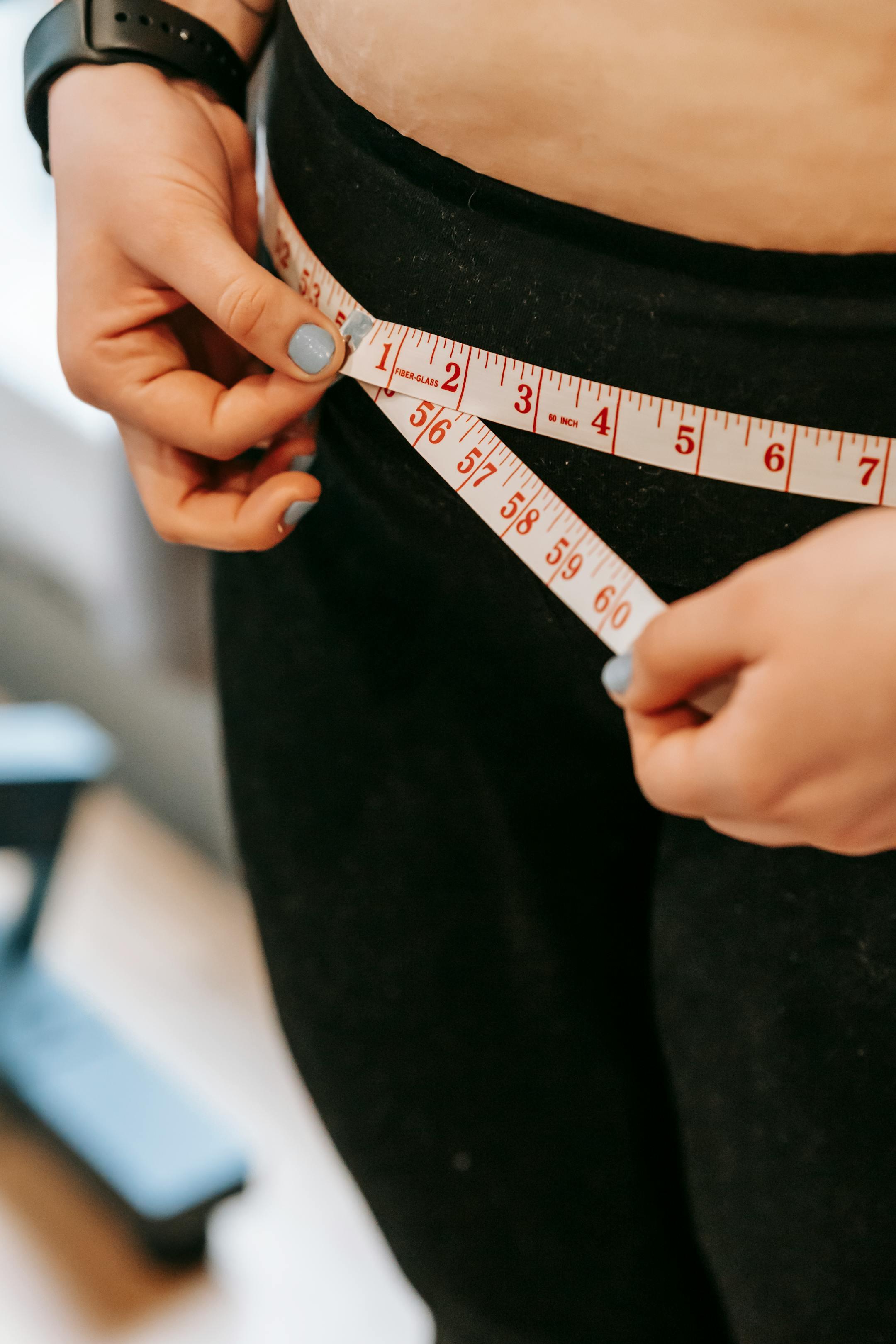
Measurements matter – a certified fitter can take accurate limb measurements so your garment matches your unique shape.
Buy custom if needed – ready‑made sizes work for some, but custom garments can be tailored exactly to your anatomy.
Replace regularly – compression degrades over time. Most medical garments need replacing every 3–6 months.
Check skin daily – watch for irritation, redness, or dryness under your garment.
Final Word
Proper compression garment fitting isn’t just about comfort — it’s about keeping your lymphedema under control and preventing complications. When in doubt, check in with Physical Therapy Doctor NJ. Accurate measurement, thoughtful fitting, and everyday vigilance make all the difference in long‑term lymphedema management.