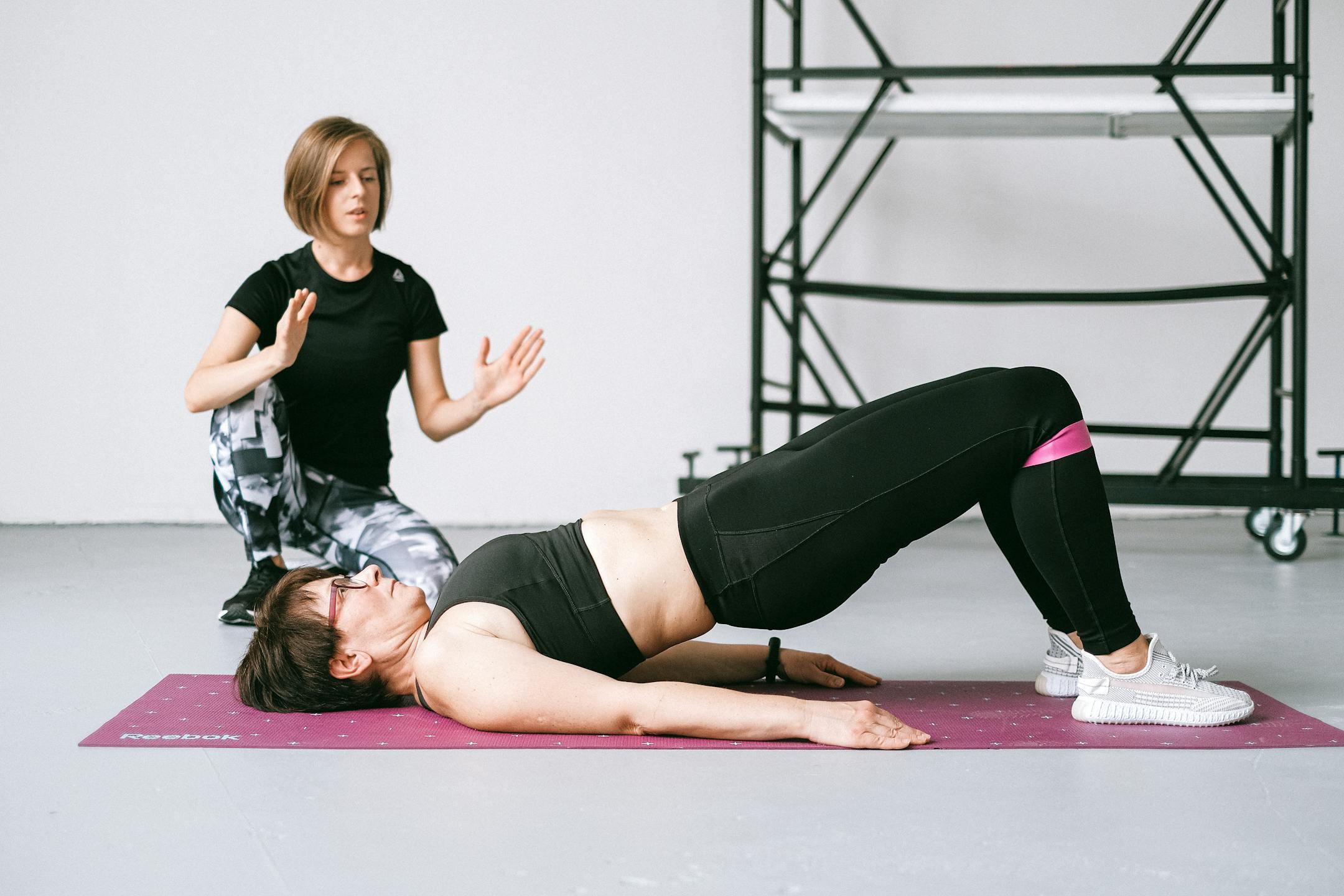
While hands-on physical therapy, movement retraining, and education are the foundation of care, we also recognize that what happens outside the clinic matters. Daily routines, hygiene practices, stress levels, and even the products used on sensitive skin can influence how tissues feel and how well someone responds to therapy.
Because of this, we often talk with patients about soft tissue comfort, barrier support, and symptom relief as part of a broader pelvic health approach.
Why Soft Tissue Comfort Matters
The tissues surrounding the pelvic floor are designed to tolerate movement, pressure, and daily activity. When those tissues become irritated or reactive, the body often responds protectively. From a clinical standpoint, this can:
- Increase pelvic floor muscle tension
- Make relaxation and coordination more difficult
- Heighten sensitivity and discomfort
- Interfere with progress during therapy
In other words, external tissue irritation can affect internal muscle behavior. Supporting tissue comfort is not about masking symptoms, but about helping the body feel safe enough to move and function more efficiently.
Understanding Barrier Support
Barrier support refers to helping the outer layer of the skin maintain moisture and protection. A healthy skin barrier can reduce friction, calm irritation, and improve overall comfort during everyday activities such as walking, sitting, exercise, or intimacy.
Barrier support does not replace medical care, diagnosis, or pelvic floor physical therapy. Instead, it can be a supportive strategy that works alongside skilled treatment, education, and movement-based care.
External Symptom Relief
Patients frequently ask what they can use externally when experiencing discomfort. From a clinician’s perspective, we encourage a thoughtful, cautious approach. When considering any external product, we generally focus on a few key principles:
- Simple formulations with minimal ingredients
- No added fragrances or harsh chemicals, which can increase irritation
- External use only, following product instructions carefully
- Individual response awareness, stopping use if symptoms worsen
These products are not intended to correct pelvic floor dysfunction or replace therapy. However, when external irritation is reduced, patients may find it easier to engage in movement, relaxation strategies, and daily activities that support recovery.
Barrier and Symptom Relief in Pelvic Floor Health
Momotaro Apotheca is a brand that sometimes comes up in discussions around external barrier support and symptom relief. Their products are designed specifically for vulvar care and emphasize gentle, plant-based formulations with minimal ingredients.
From a practitioner’s standpoint, we view products like these as supportive tools, not treatments. Some individuals find that barrier-style products, such as externally applied salves, help soothe irritated skin and reduce friction throughout the day. This can be especially helpful for people who are already addressing pelvic floor symptoms through physical therapy or medical care.
It’s important to note that everyone’s body responds differently. What feels supportive for one person may not be appropriate for another. These products should always be used as directed, for external use only, and discontinued if irritation occurs. They are not a substitute for medical evaluation or pelvic floor physical therapy.
Moving Forward with Support and Care
Pelvic floor physical therapy focuses on improving how the body moves, coordinates, and responds to daily demands. When external discomfort is better managed, patients may find it easier to focus on posture, breathing, relaxation, and movement patterns — all essential components of pelvic health.
Open, honest conversations about pelvic symptoms and supportive care options matter. Hearing clinician perspectives, learning from others’ experiences, and understanding what tools exist can help people feel less alone and more empowered to seek care.
If you’re experiencing ongoing pelvic discomfort or have questions about what might support your comfort between visits, Irina Fookson at Physical Therapy Doctor NJ can help guide you toward solutions that align with your individual needs and goals.